
Medical tourism in Turkey has been successfully practiced for many years. Traveling from another country for surgery can sometimes feel like Christopher Columbus crossing a foggy ocean to discover America. I’d like to illuminate this journey for you.
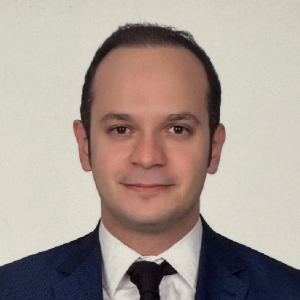
Health tourism has been successfully carried out in Turkey for many years. As a clinic, we provide services to patients from various countries around the world. Traveling from another country for surgery can sometimes feel like crossing a foggy ocean, much like Christopher Columbus discovering America. I would like to help illuminate that journey for you.
Let me explain the key points:
Consultation with Dr. Tapan
Your first step is communication with your doctor. You should clearly define your expectations and discuss them in detail. Your medical history is very important. Information about previous surgeries, anesthesia experiences, and any post-operative issues you have encountered will be highly informative. You can reach our clinic 24/7 via phone at +90 533 376 17 72, through our website www.drmehmettapan.com, via Instagram at drmehmettapan, or on Facebook at Assoc. Prof. Dr. Mehmet Tapan.
Flight Ticket and Hotel Arrangements
We recommend arriving in Antalya at least 24 hours before your scheduled surgery. During your flight, walking and staying mobile can help reduce certain risks related to the surgical process. We generally suggest that you choose your hotel according to your own preferences. It is advisable to select a hotel that offers luggage storage, as you will be admitted to the hospital after your arrival and return to the hotel afterward. This may not be necessary for minor procedures. If you wish, we can recommend hotels close to the hospital or clinic. The duration of your stay will depend on the type of surgery, so we recommend discussing this with Dr. Mehmet Tapan.
Packing Your Luggage
Your luggage should include one or more comfortable pajamas, preferably with front buttons, as they are easier to put on and take off. You should also bring plenty of underwear, comfortable slippers, and a power adapter compatible with Turkey’s electrical outlets (Type C and Type F).
Hotel Stay and Transfers
Many hotels in Turkey offer airport transfer services. In addition to private transfers, you can also use buses, taxis, or trams to reach the city center. For transportation from your hotel to the hospital, taxis or hotel transfer services are available. We can also assist you with transfer recommendations if needed.
Medications Before Surgery
Herbal supplements that may increase bleeding risk must be discontinued before plastic surgery. Birth control pills and hormone replacement therapies (especially those containing estrogen) should be stopped at least one month before surgery, if not medically necessary, after consulting your doctor. Blood thinners may reduce surgical blood loss when discontinued, but stopping them can pose serious risks in some cases, so you must consult the prescribing physician. Isotretinoin, used for acne treatment, is generally recommended to be discontinued 6 months before surgery as it may negatively affect scar healing. Not all psychiatric medications need to be stopped, but some may require dose adjustments or temporary discontinuation—consult your prescribing doctor. Thyroid and blood pressure medications are usually taken with a small amount of water on the morning of surgery, but you should always confirm with your anesthesiologist.
Surgical Process
Preoperative tests include blood tests, ECG, and chest X-ray. If no condition prevents surgery, your suitability for anesthesia is evaluated using the ASA (American Society of Anesthesiologists) classification. Even if your medical history has been reviewed with Dr. Tapan, the anesthesiologist may request consultations from other specialties if needed. It is especially important not to have an upper respiratory infection before surgery, as it can affect your airway.
Day of Surgery
You must fast for at least 6 hours before surgery—no food, water, or even smoking. After surgery, you will be taken to your room. Feeling cold or shivering is common. Pain management will be provided, and some patients may experience mild nausea due to anesthesia, which typically resolves quickly. When it is time to eat, avoid heavy or fatty meals on the first day. Drink plenty of water. A short walk after eating is very important. Early mobilization helps your lungs, circulation, and digestive system function properly and contributes to a smoother recovery.
Discharge and Return to Hotel
Depending on the procedure, hospital stay may range from same-day discharge to 1–2 days. You will be discharged with your prescription and a “fit to fly” report, and your follow-up appointments will be scheduled.
Postoperative Period
As I often tell my patients: “Surgery does not end in the operating room.” Your daily activities and diet are just as important as wound care. Be sure to discuss these with your doctor.
Air Travel and Return Home
Especially after facial surgeries, it is essential to carry your “fit to fly” report at the airport, as your fitness to travel may be checked. During the flight, short walks are recommended to support circulation.
See you soon,
Mehmet Tapan